Life requires energy. Money is just a token for the future exchange of energy.
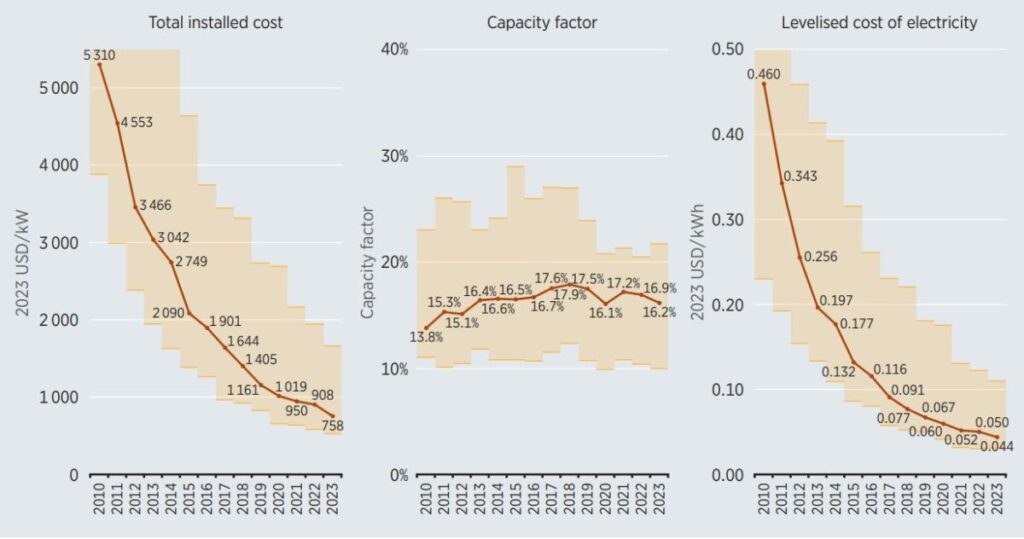
- The global weighted average LCOE for solar PV fell by 90% between 2010 and 2023.
- In 2010, the global average LCOE for solar PV was $0.460 per kWh, but by 2023, it had fallen to $0.044 per kWh.
- Solar PV was four times as expensive as the lowest-cost fossil fuel in 2010, but in 2023, it was 56% less expensive than the weighted average fossil fuel alternatives.
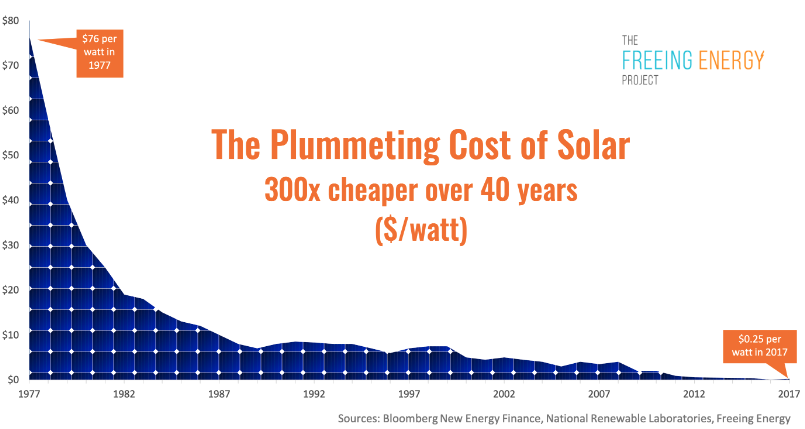
Data from 2019 illustrates the radical reduction in solar costs since 2019. Decreased in solar are exponentially decreasing. Below is data on the EIA notice that we have passed Peak Fracking, so oil-powered energy will increase rapidly in the future.
- offshore wind – $6500/kW (2019)[13]
- solar PV (fixed) – $1060/kW (utility),[14] $1800/kW (2019)[13]
- solar PV (tracking)- $1130/kW (utility)[14] $2000/kW (2019)[13]
- battery storage power – $2000/kW (2019)[13]
- conventional hydropower – $2680/kW (2019)[13]
- geothermal – $2800/kW (2019)[13]
- coal (with SO2 and NOx controls)- $3500–3800/kW[15]
- advanced nuclear – $6000/kW (2019)[13]
- fuel cells – $7200/kW (2019)[13]
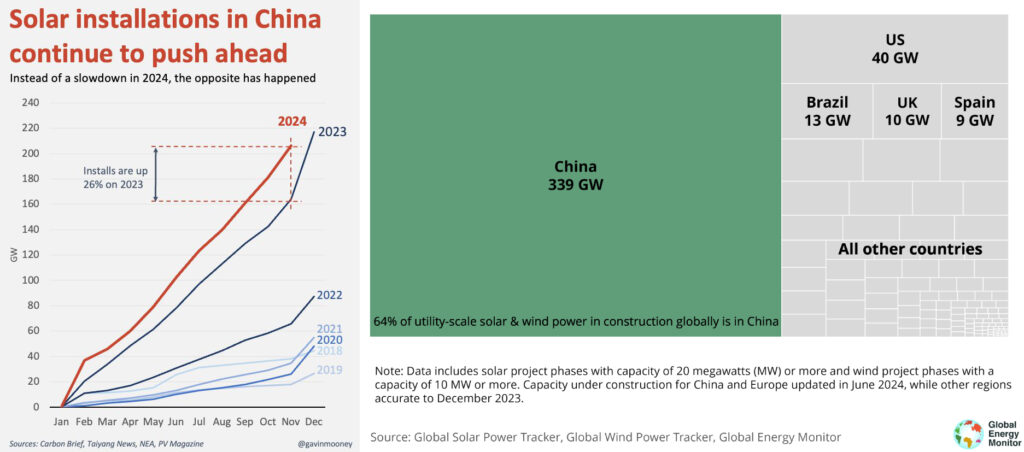
Costs continued to drop for solar since 2019:
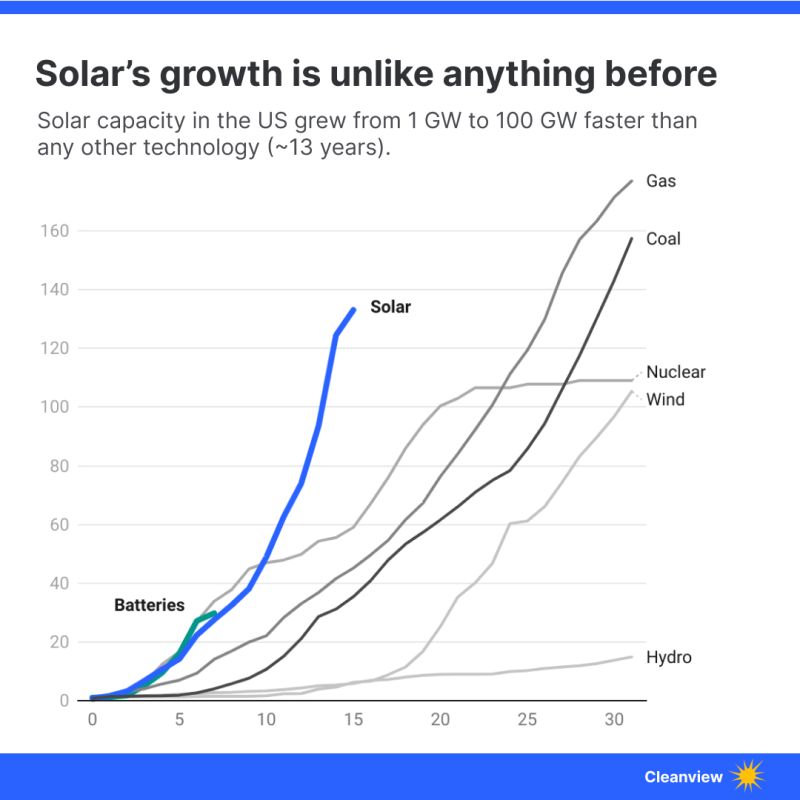
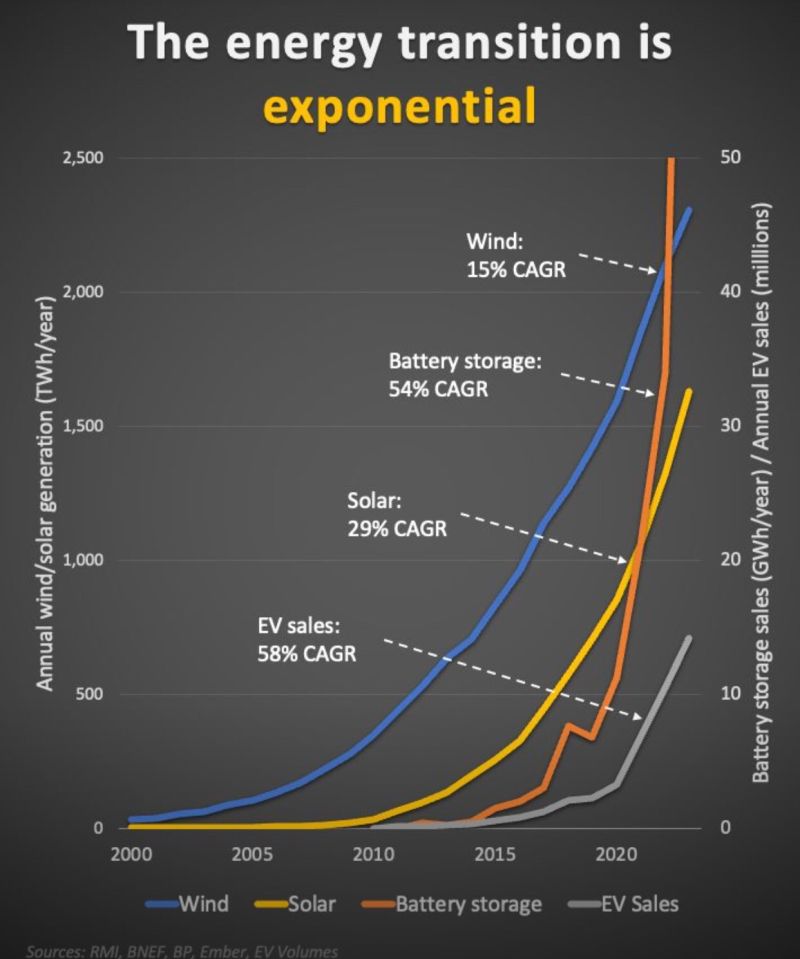
St Louis Fed on electricity costs
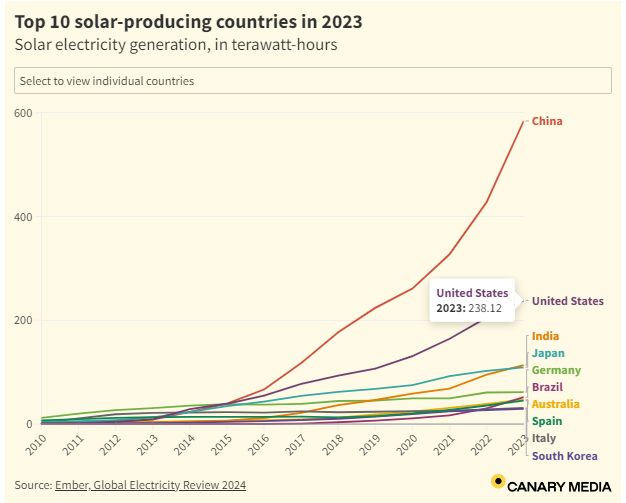
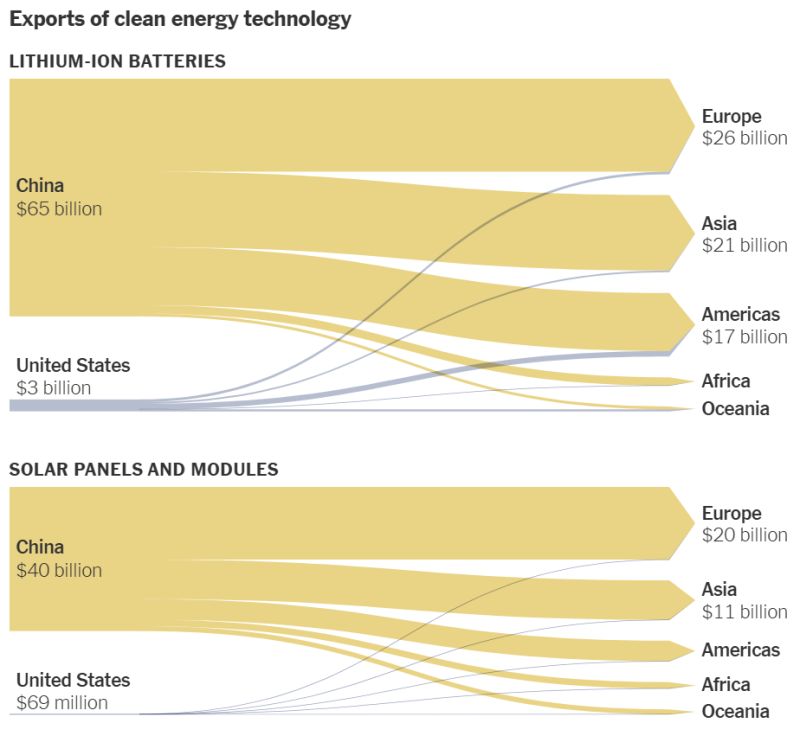
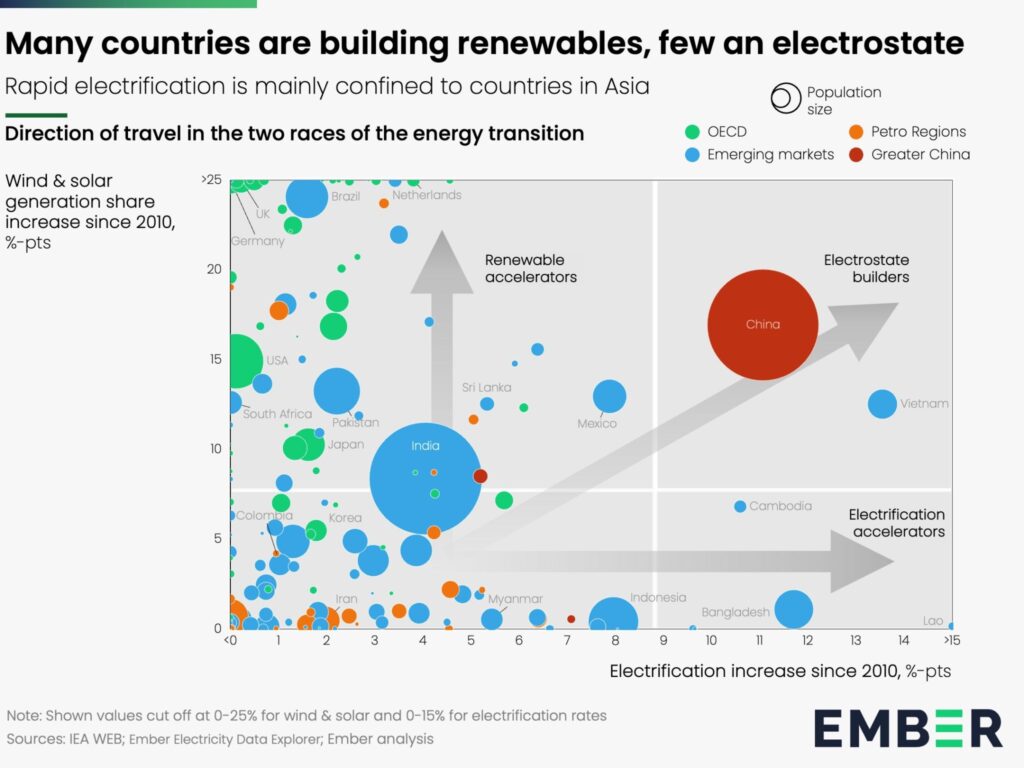
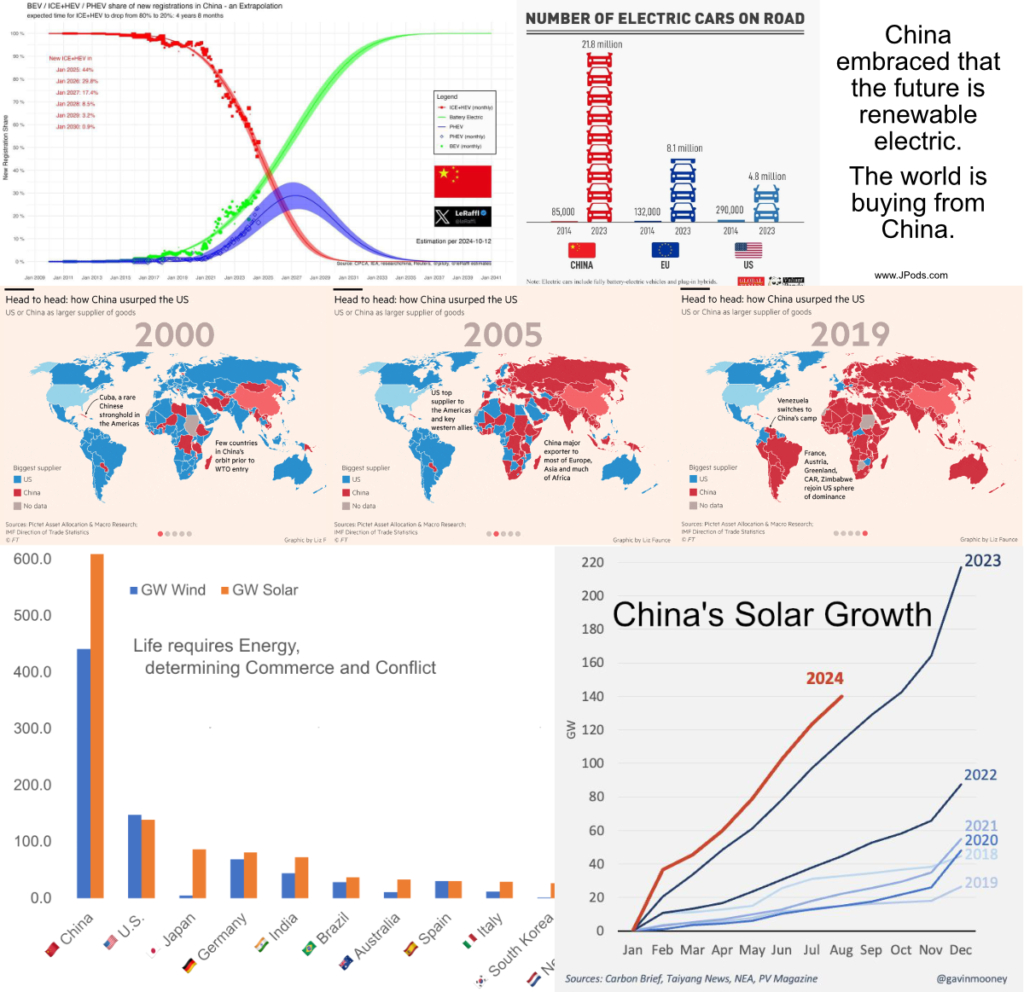
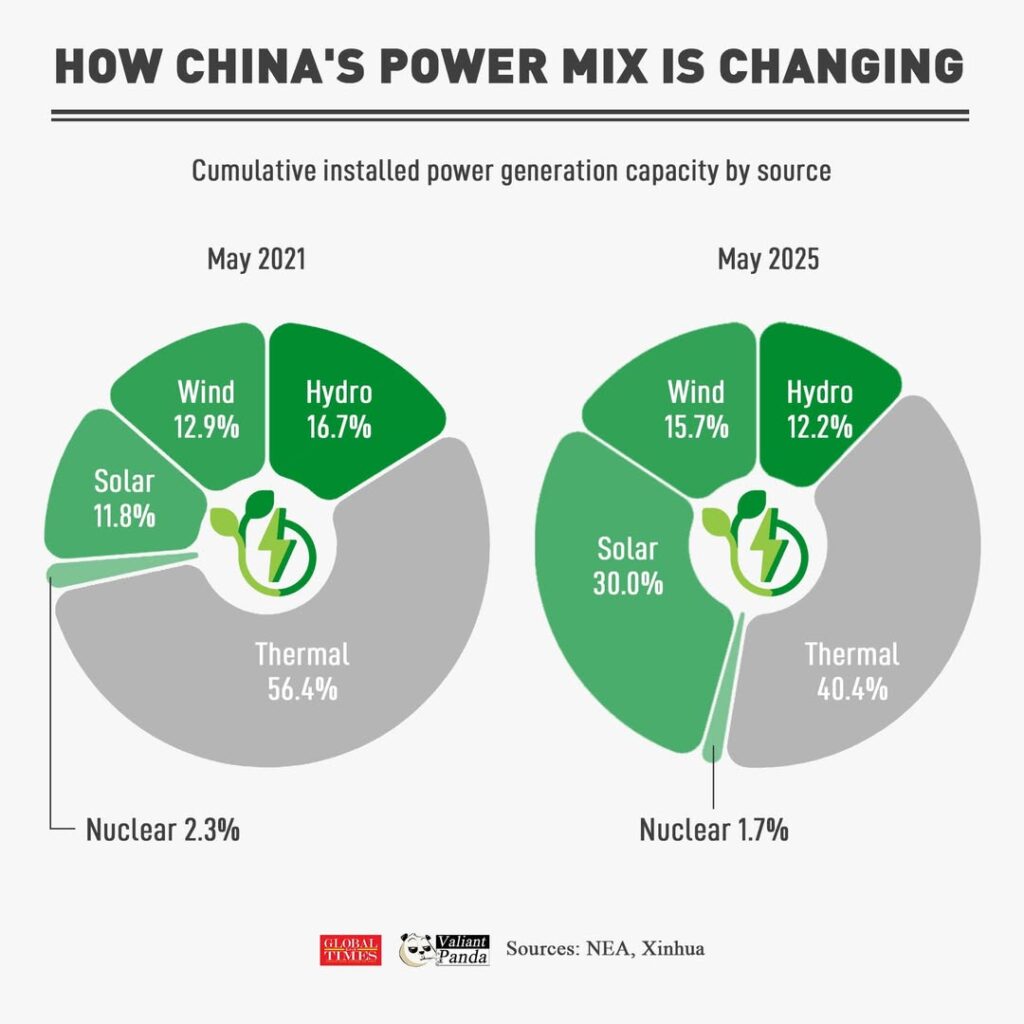
US handing renewable industry to China
Crisis of US Peak Fracking:
June 2025, EIA reported Peak Fracking. The oil-powered economy is ending:
- Dallas Federal Reserve survey of oil companies cited comment: “Shale core exhaustion and inventory concerns are mainstream and well-documented issues. Shale will likely tip over in five years, and U.S. production will be down 20 to 30 percent quickly. When it does—this feels like watching the steam roller scene in Austin Powers. Oil prices in the late 2020s will be something to behold.”
- EIA report June 10, 2025, this updated their April warning of US Peak Fracking in 2027 and “Production to fall rapidly from 2030 through 2050“
- OilPrice.com: EIA Calls Peak Shale as Drilling Activity Declines
- Bloomberg: Shale Drillers in Permian Basin Face Up to the Prospect of Peak Output
- Forbes: Peak Oil In America: ‘Drill, Baby, Drill’ May Be Hitting A Wall
- Wall Street Journal: U.S. Drillers Say Peak Shale Has Arrived
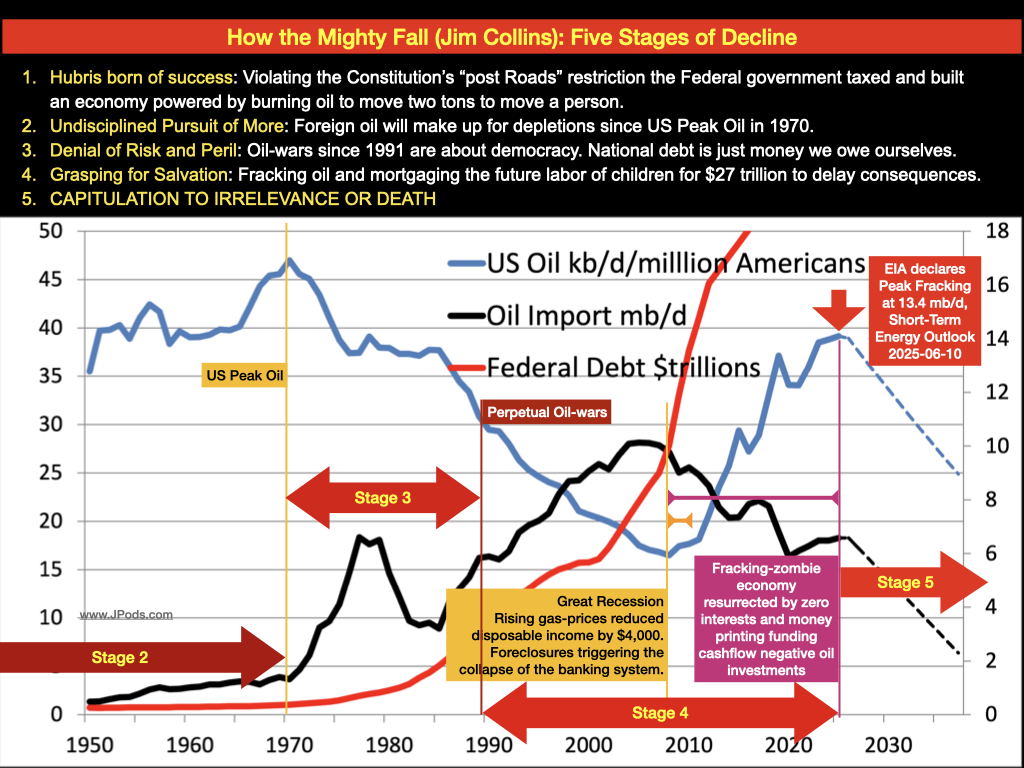
This vast fracked energy is likely to deplete faster than infrastructure can adapt. EIA: “Production to fall rapidly from 2030 through 2050“
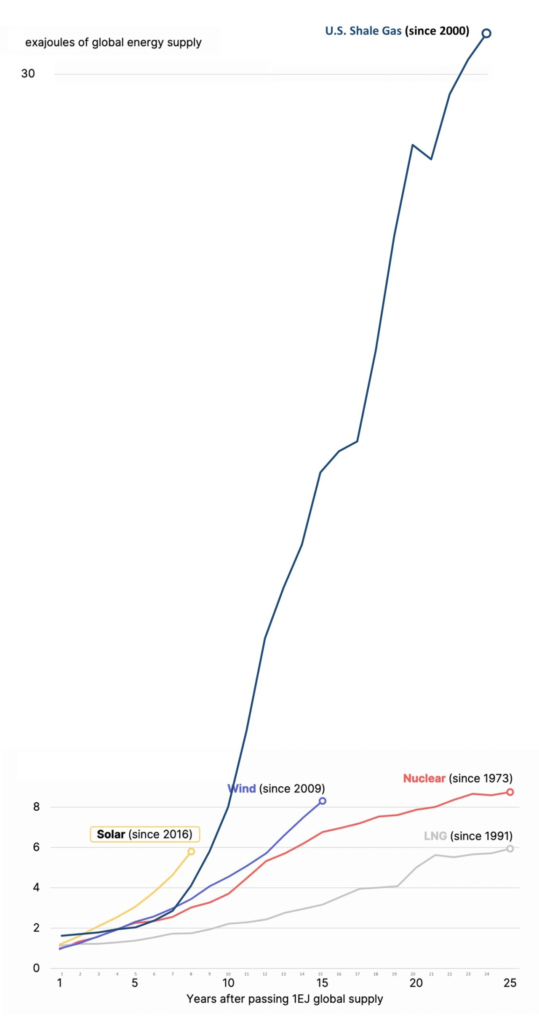
Normally 100 years is required to retool a major infrastructure. We must retool both transportation and energy in the next 5 years.